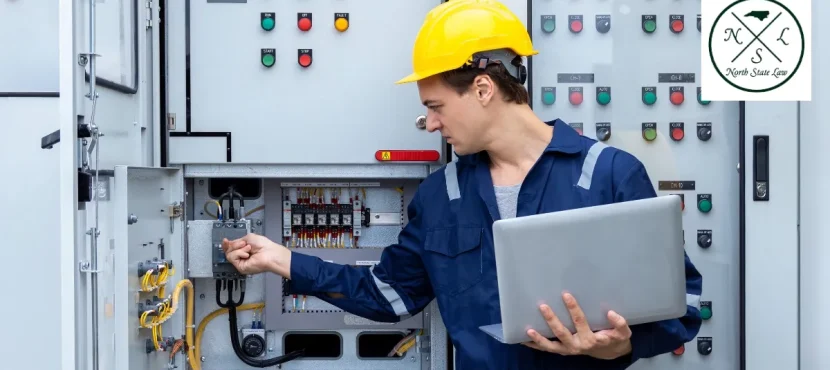
Licensed electricians in North Carolina work hard to maintain their credentials and reputation. Even a single complaint can place a professional license at risk. Understanding the North Carolina Electrical Board complaint process helps electricians respond calmly and protect their livelihood.
A complaint does not always mean wrongdoing occurred. Many complaints arise from misunderstandings or project disputes. Still, the process can move quickly once the North Carolina State Board of Examiners of Electrical Contractors receives a report. License holders should know how investigations begin and what steps may follow.
Understanding North Carolina Electrical License Laws
Electrical contractors must follow strict licensing rules in North Carolina. These requirements exist to protect public safety and maintain professional standards.
The North Carolina General Statute § 87-43 authorizes the state board to regulate electrical contractors and enforce licensing standards. This statute outlines licensing requirements and disciplinary authority.
Professionals must maintain compliance with several responsibilities, including:
- Holding the correct classification of an electrical license
- Following state electrical codes and safety standards
- Maintaining required business registrations
- Supervising electrical work appropriately
- Avoiding misrepresentation in contracts or advertising
Oversight from the North Carolina State Board of Examiners of Electrical Contractors (NCBEEC) ensures that licensed contractors meet safety expectations and follow state regulations. According to the Bureau of Labor Statistics, employment of electricians is projected to grow 9% from 2024 to 2034.
How the North Carolina Electrical Board Complaint Process Begins
Complaints may come from several sources. A homeowner may raise concerns about the quality of the work. A competitor may report licensing issues. Local inspectors may also submit reports after a site inspection.
The complaint often begins with a written submission to the NCBEEC. The Board reviews the submission to determine whether the allegation falls within its authority.
Once accepted, the Board may begin an investigation. This step may include:
- Reviewing contracts or project records
- Interviewing witnesses or inspectors
- Requesting written responses from the license holder
- Examining inspection reports or permit records
The investigation determines whether the facts suggest a potential violation of electrical license laws. Not every complaint results in discipline. However, the process can still be stressful and time-consuming for a contractor.
Possible Outcomes of an Electrical License Investigation
After reviewing evidence, the Board may decide to close the complaint. In other cases, the Board may move forward with disciplinary action.
Potential outcomes include:
- Dismissal of the complaint
- Warning letters or compliance directives
- Fines or administrative penalties
- Probationary license conditions
- License suspension or revocation
The Board may also schedule a hearing if the matter requires formal review. These proceedings may occur before the Board or an administrative law judge through the North Carolina Office of Administrative Hearings.
Administrative hearings allow both sides to present evidence. The process resembles a court proceeding but focuses on professional licensing regulations.
Hire an Electrical License Lawyer
Electricians may face licensing complaints arising from project disputes, safety concerns, or alleged violations of North Carolina electrical licensing laws. Even when a complaint stems from a misunderstanding, the investigation process can place a professional license at risk.
An experienced electrical license attorney can help electricians understand the complaint process and prepare an appropriate legal response. Legal guidance may involve reviewing project records, evaluating allegations, and communicating with the licensing board when necessary.
Responding to a Licensing Board Complaint
Receiving a complaint notice can feel alarming. Many electricians worry about their careers and reputation. A thoughtful response helps protect both.
Electrical license holders should consider several steps when responding:
- Carefully review the complaint notice
- Avoid contacting the complainant directly
- Gather project records or communications
- Respond to the board within the stated deadline
- Seek guidance from a professional licensing attorney
These steps help responses remain accurate and organized. The Board often evaluates written responses closely during the early stages of an investigation.
North State Law focuses exclusively on defending licensed professionals. Our paralegals are among the 42 million people in the United States who speak Spanish and are available to assist clients who prefer to communicate in Spanish. Clear communication remains important when navigating complex licensing matters.
FAQs
What Are the Different Electrical Licenses in NC?
North Carolina offers several electrical license classifications. These include Limited, Intermediate, and Unlimited licenses. Each classification allows different project sizes and scopes of work.
Requirements often include examination, experience documentation, and application approval through the North Carolina State Board of Examiners of Electrical Contractors. Contractors must comply with state electrical codes and licensing rules to keep their licenses active.
How Do I Complain About a Contractor License in NC?
Complaints against licensed electrical contractors are typically submitted to the North Carolina State Board of Examiners of Electrical Contractors. The Board provides complaint forms for consumers and other professionals to report concerns. After submission, the board reviews the allegations and may begin an investigation. The process can include evidence review, written response, and possible disciplinary proceedings depending on the facts.
Can You Do Electrical Work Without a License in NC?
Most electrical work in North Carolina requires a licensed contractor. State law under North Carolina General Statute § 87-43 requires individuals or businesses performing electrical contracting to hold a valid license. Limited exceptions may apply for property owners working on their own residence. Performing electrical work without the required license can lead to fines or other penalties.
Can a Handyman Do Electrical Work in NC?
Handymen must follow the same licensing requirements as other contractors when performing electrical work. If the job involves electrical contracting as defined by state law, a valid electrical contractor license is required. Some minor tasks may fall outside the scope of licensing, but significant electrical work typically requires a licensed professional under North Carolina regulations.
Protecting Your Professional License in North Carolina
Professional licenses represent years of education, training, and work. A complaint can place that investment at risk. Understanding how licensing boards operate can help professionals respond with clarity and confidence.
If you are facing an investigation or disciplinary action, consider speaking with an attorney who focuses on professional licensing matters. North State Law represents licensed professionals throughout North Carolina and focuses exclusively on defending professional licenses. To learn more about your options, contact us today.